The exchange rate of the Egyptian pound has experienced several successive devaluations in recent years, and this monetary context radically changes the way to prepare your travel budget in Egypt. Knowing when to exchange, where to withdraw, and which payment method to prioritize allows you to save on every transaction, from taxis to tickets for the Giza pyramids.
Egyptian Pound and Exchange Rate: A Currency in Constant Motion
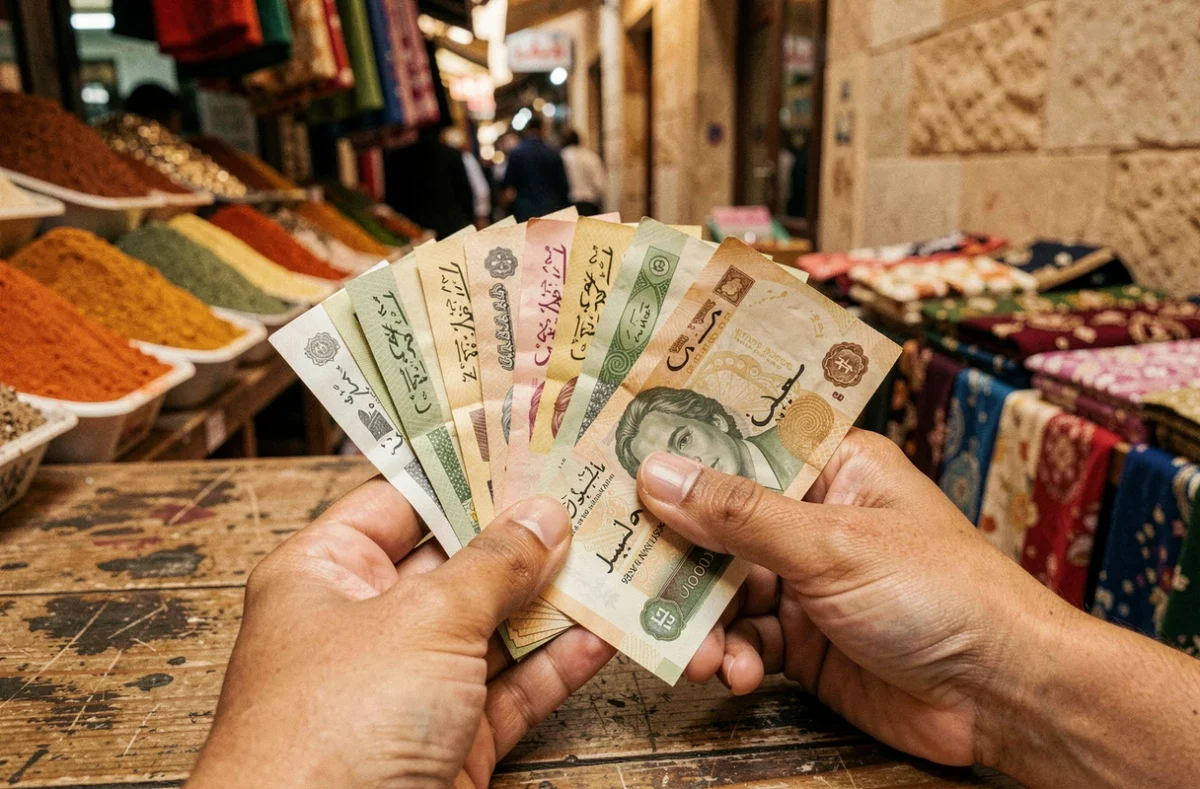
The official currency of Egypt is the Egyptian pound, coded EGP. It is found under the symbols £E, E£, or LE depending on the businesses. It is divided into 100 piastres, but these small units are mainly used as change in local markets.
The exchange rate has undergone several successive devaluations since 2016. The rate against the euro fluctuates regularly, sometimes from one week to the next.
Before you leave, check the current rate on your bank’s website or on a reliable converter. You can also learn more on Voyages Thématiques for a comprehensive overview of the currency used in Egypt and its specifics.
A practical detail: refuse torn bills that are handed to you. Egyptian merchants will refuse them in turn, and you will be left with unusable notes. Scribbled bills, on the other hand, circulate normally. Writing on bundles is part of local habits.
ATM Withdrawals in Egypt: Hidden Fees and Variable Limits
You will find ATMs in Cairo, Luxor, Hurghada, and most tourist areas. Visa and Mastercard are the most widely accepted networks.
The main trap concerns the fees. Two commissions often accumulate: that of the Egyptian ATM and that of your French bank. These fees are not displayed in the same way depending on the machines.
Which ATM to Choose to Limit Fees
ATMs located in a bank branch, hotel, or shopping center offer more reliability than isolated machines on the street. Outside major cities, ATMs may be out of service on weekends or holidays, or may temporarily run out of cash.
Withdrawal limits vary according to three factors:
- The Egyptian bank that owns the ATM, which sets a maximum amount per transaction (often limited to a few thousand pounds)
- The issuer of your card (Visa, Mastercard), which applies its own daily limits abroad
- The type of card used: a travel card with no exchange fees (like Revolut or Wise) reduces the bank commission but is still subject to the local ATM limit
To avoid unpleasant surprises, prefer several small withdrawals at bank branches rather than a single large withdrawal at an isolated ATM.
Paying in Euros or Egyptian Pounds: The Choice That Affects Your Budget
Some hotels, tourist restaurants, and archaeological sites display their prices in euros or dollars. Should you pay directly in foreign currency?
Paying in Egyptian pounds is almost always more advantageous. When a merchant offers you a price in euros, they apply their own conversion rate, which is favorable to them. The difference can represent several percentage points on each transaction.
Dynamic Conversion at the Payment Terminal
When you pay by credit card, the terminal may offer you the option to pay in euros rather than EGP. This mechanism is called dynamic currency conversion (DCC). Always refuse and choose payment in local currency. The rate offered by DCC is significantly less favorable than that applied by your bank.
The credit card works in major hotels, restaurants in Cairo, and shops in tourist areas. Outside of these places, card payment remains rare.
Cash in Egypt: Where Cash is Still Necessary
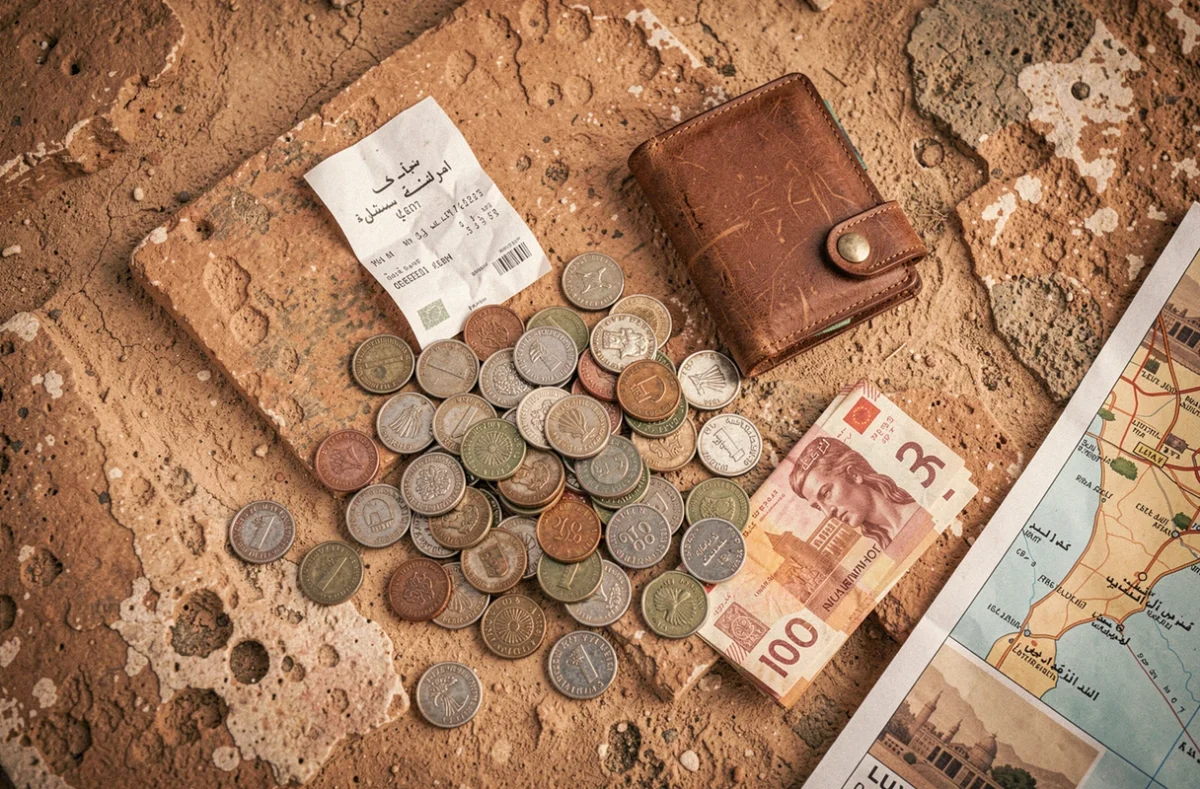
Egypt remains an economy largely based on cash. Credit cards cover only a fraction of a traveler’s daily transactions.
You will need Egyptian pound bills in these specific situations:
- Taxis not connected to an app, tuk-tuks, and local minibuses only accept cash
- Markets (souks), small street restaurants, and neighborhood shops operate exclusively in cash
- Tips (bakshish) are part of daily life: porters, guides, waiters, site guardians expect a few bills in pounds
- Some ticket counters at less frequented tourist sites do not have a payment terminal
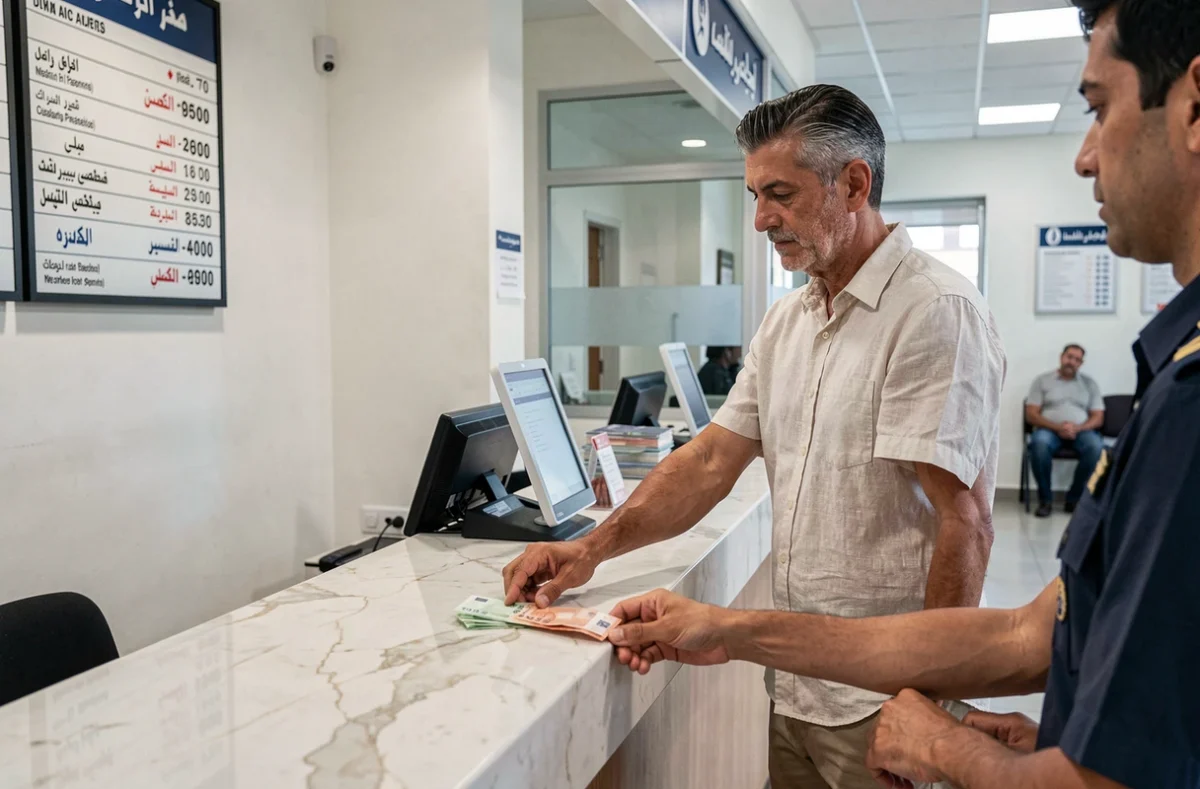
Most Egyptian banks exchange euros at the almost official rate and without commission. This is often a better option than exchanging at the airport, where rates are less competitive. If you arrive on a Friday or Saturday (weekend in Egypt), plan to withdraw cash at the airport ATM to last until the reopening of bank branches.
Mobile Payment: An Emerging Option for Residents
The instant payment system InstaPay, launched by the Central Bank of Egypt in 2022, and mobile wallets like Vodafone Cash are gaining traction among Egyptian merchants. Some small businesses now accept these transfers.
This development mainly concerns residents with a local bank account. For a foreign tourist, these solutions do not yet replace cash or cards. Keep them in mind if you are staying for a long time, but do not rely on them for a typical trip.
The best strategy for a stay in Egypt combines three elements: a reserve of cash in Egyptian pounds exchanged at the bank, a card with no exchange fees for hotels and restaurants accepting electronic payment, and small change at all times for tips. This trio covers almost all situations, from the Khan el-Khalili souk to check-in at a resort on the Red Sea.