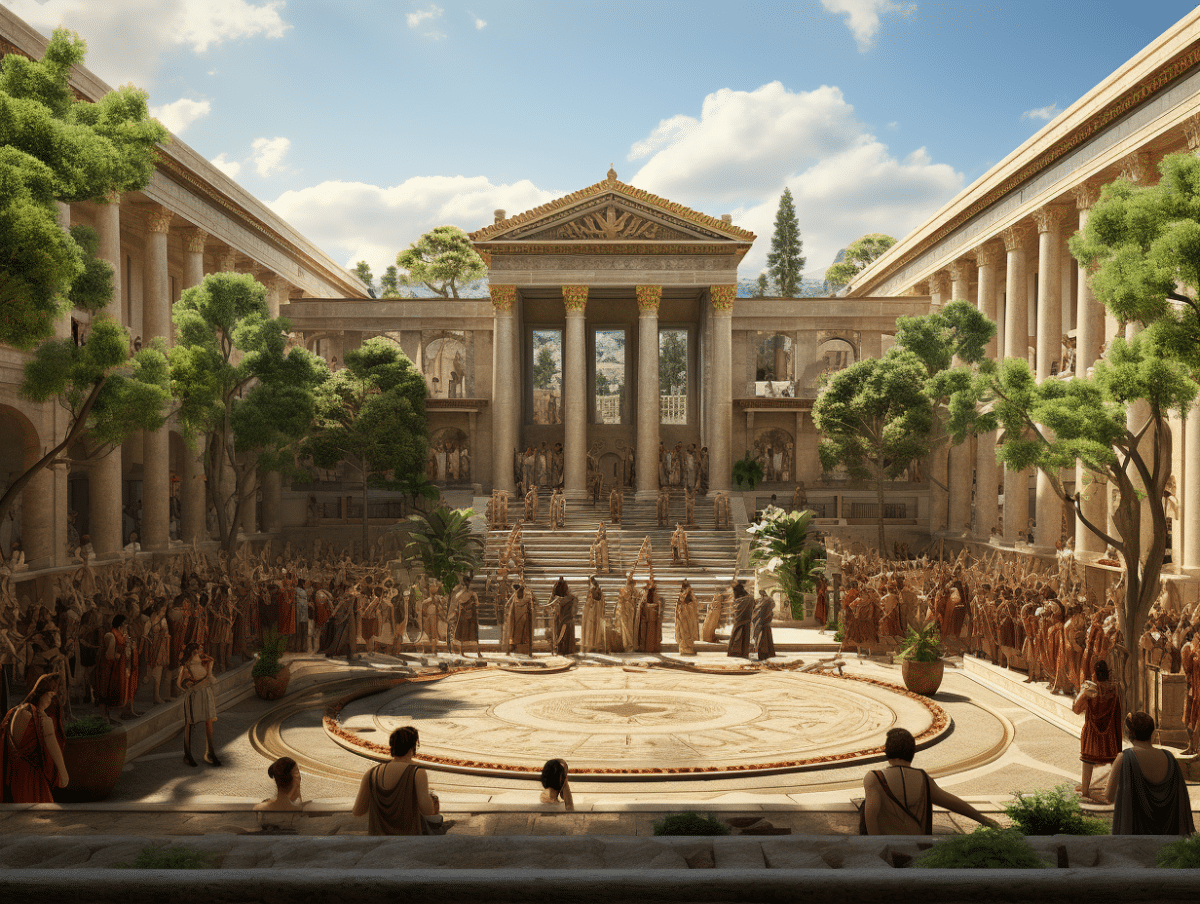
Since ancient times, humanity has sought to enhance its physical strength, both for survival and prestige. The earliest forms of muscle strengthening are linked to practical needs: hunting, construction, and warfare. With the emergence of civilizations like ancient Greece, physical training became a discipline in its own right, glorified through the Olympic Games. Over the centuries, this quest for strength has diversified and specialized, influenced by scientific advancements, military needs, and the rise of bodybuilding. Today, muscle strengthening is a key component of health and well-being, with constantly evolving techniques and equipment.
From Antiquity to Today: The Evolution of Muscle Strengthening
Discover the history of muscle strengthening, a discipline that, since its ancient origins, has transformed into a complex and diverse sporting practice. Once, it was intertwined with daily survival tasks. Today, it manifests in a multitude of practices, from physical culture to fitness, including bodybuilding. The evolution of this discipline is inseparable from the pioneers who forged its methods and popularized its tools.
In the 19th century, figures such as Hippolyte Triat marked a decisive turning point. A strength artist, he invented pulley machines and exercises with short dumbbells, thus laying the groundwork for a more systematic practice of muscle strengthening. He was also one of the promoters of long bars, equipment that would become emblematic of weight training.
At the turn of the 20th century, Edmond Desbonnet expanded the influence of physical culture by founding the school of ‘physical culture’ in Lille and Paris. A pedagogue of physical fitness, he democratized access to weight training and introduced the general public to the importance of muscle training for health. His work was complemented by the publication of the journal ‘Physical Culture’, which disseminated the principles and benefits of this practice.
The German athlete Eugène Sandow, considered the father of modern bodybuilding, contributed to the international development of the discipline. Through his exhibitions and correspondence courses, he commercialized weight training and inspired generations of followers to sculpt their bodies. His legacy endures today in competitions that celebrate muscular aesthetics and self-overcoming.
Muscle Strengthening in Modern Society: Practices and Perspectives
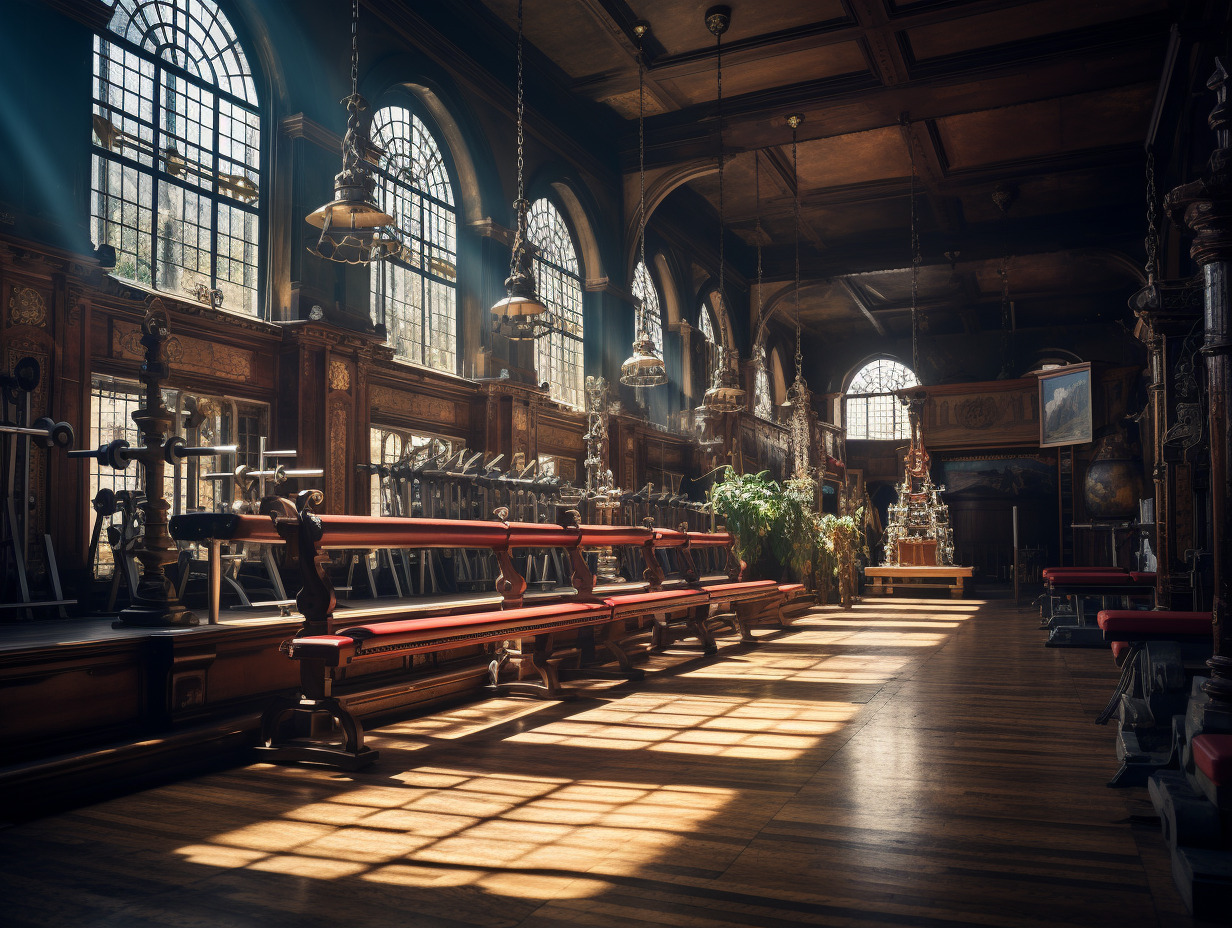
With the advent of modern society, muscle strengthening has become part of individuals’ daily lives, transcending the boundaries of the sports arena to become a central element of well-being and public health. The Weider Brothers, Canadian pioneers of bodybuilding, played a major role in this social transformation. By creating the International Federation of Bodybuilding & Fitness (I.F.B.B.), they institutionalized the practice and paved the way for international sports recognition. Their influence extended beyond competitions, shaping a market for equipment and dietary supplements aimed at the general public.
The rise of muscle strengthening has also been marked by icons like Arnold Schwarzenegger, whose stature as a bodybuilder, mentored by Joe Weider, is complemented by cinematic popularity. He embodies social ascent through bodybuilding and helps demystify the discipline, making it more accessible and appealing. Meanwhile, technical innovations continue to emerge, such as the Larry Scott bench, designed to isolate and develop the biceps, illustrating the ongoing quest for efficiency and specialization in muscle training.
Today, the notion of fitness has embraced the concept of muscle strengthening, adapting it to the era of well-being and personalization. Gyms are multiplying, offering a wide range of activities aimed at physical fitness and health, far from the elitist image of early bodybuilding. This evolution reflects a collective awareness of the importance of physical activity, where muscle strengthening becomes a vector for quality of life, self-esteem, and longevity.