
Remote access to the corporate intranet is often a trial by fire: unpredictable slowdowns, software that refuses to cooperate, cascading authentication blocks, especially where the Internet connection is lacking. The integration of collaborative solutions does not magically transform internal communication or team productivity.
Some groups opt for rigorous protocols to preserve data security without sacrificing the fluidity of remote work. Others rely on flexible platforms compatible with various environments, thus circumventing the limitations of private networks. The rise of remote work necessitates rethinking access to internal tools, lest it stifle the responsiveness of dispersed teams.
Remote Work in the Region: A New Challenge for Internal Collaboration
The rise of remote work in the region is disrupting habits. Outside the walls of the headquarters, remote workers rely on the corporate intranet to stay in touch, gather information, and access essential resources. Now, choosing a relevant intranet platform becomes a decisive lever: it determines the ability of teams to share, organize, and collectively solve everyday challenges.
The tools of the digital workplace are gradually asserting themselves: the intranet tool becomes the anchor point, while communication tools, whether instant or asynchronous, ensure the flow of information, and documentary solutions remain accessible outside the office. In the region, where network quality varies, the choice leans towards platforms that are both robust and streamlined. Three criteria are essential: simplified access, secure exchanges, and adaptation to local realities.
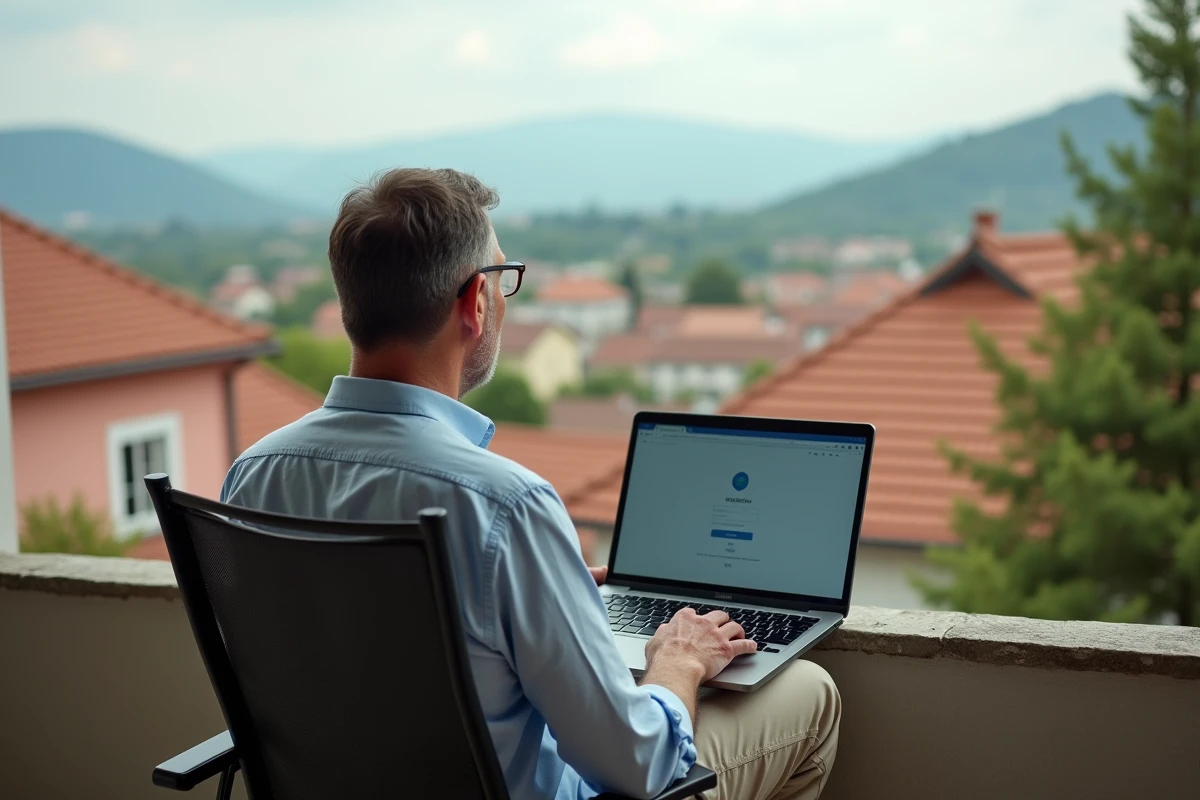
For remote employees, connecting to J’entreprends Au Féminin becomes a professional routine. Designed to embrace the diverse uses of remote work, this portal brings together key tools: messaging, file sharing, project management, HR information. The challenge is to shape an internal communication tool that withstands the test of distance and connects every collaborator, wherever they are.
To ensure smooth organization, certain practices make a difference:
- Prioritize a remote worker intranet that remains accessible on the go
- Support adoption through training and personalized assistance
- Choose tools aligned with the concrete needs of teams
Team spirit, flexibility, and information sharing are being reinvented in the age of remote work, redefining internal collaboration to make it more inclusive and responsive.
How to Ensure Smooth and Secure Access to Your Intranet Remotely?
Remote work in the region requires special attention: accessing the intranet from home, a shared space, or even the family home must be done without exposing sensitive data. The connection must be stable, and security must be impeccable. Setting up a VPN lays the groundwork: it encrypts exchanges and protects against unwanted access. The firewall filters what comes in, while the proxy monitors what goes out. Increasingly, organizations are relying on multi-factor authentication: one-time codes, mobile notifications, step-by-step verification to lock down access.
The robustness of a platform intranet is verified on several fronts: compliance with the ISO 27001 standard, encrypted flows via SSL, fine management of access rights, and regular audits by the CISO. Employee involvement complements the technical setup. For example, the SecNumacadémie program offered by ANSSI provides concrete modules: creating reliable passwords, identifying phishing attempts, securing documents in circulation.
Some simple reflexes enhance daily security:
- Create strong passwords that are specific to each tool
- Ensure that the login page displays an SSL certificate
- Enable two-factor authentication for all intranet access
Maintaining the confidentiality of information allows for no negligence. Selecting certified tools, training users, and remaining vigilant against new threats: every step counts to ensure the reliability of an employee intranet over time.
Best Practices and Tools to Strengthen Team Communication and Efficiency
The success of remote work in the region relies on three pillars: fluidity of exchanges, transparency in information sharing, and a sense of belonging to the work community. The intranet serves as a foundation, but efficiency also comes from carefully selected internal communication tools for their simplicity and ability to unite. Instant messaging and news feeds bring teams closer together. Brief but regular virtual meetings maintain the connection and provide a space for questions and ideas.
To structure the collective dynamic, here are some levers to activate:
- Adopt a unique digital workspace, a true shared reference point for all
- Centralize schedules, documents, and reports on a single platform
- Use surveys and feedback tools to give everyone a voice
Project management also adapts: clear dashboards, flexible task management, automatic reminders to pace the work. An effective internal company communication relies on multiple channels: newsletters, chats, forums, each finding its place according to the moment. Even remotely, the company culture is maintained through shared meetings, collaborative spaces for mutual support, or celebrating successes.
An intranet platform, designed around these uses, guarantees every employee frictionless access, wherever they are. Adoption progresses if training accompanies new tools and if team feedback is taken into account to evolve them. Step by step, the success of remote work in the region is built on structured, dynamic, and deeply human communication.