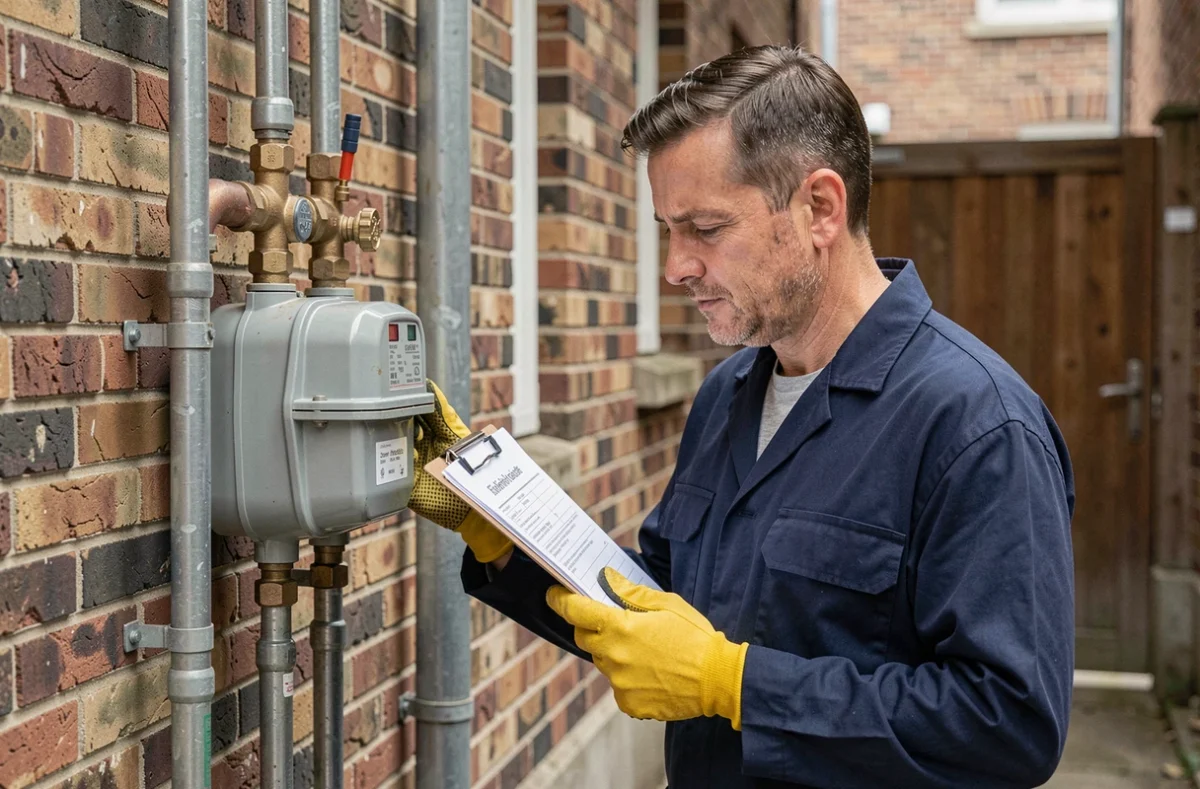
When building or moving into an unconnected home, the question of gas often comes up after that of electricity. However, the natural gas connection follows its own schedule, with a single point of contact on the network side and technical constraints that the future occupant does not always master. It is better to start the process early, as the timelines largely depend on the distance between the home and the nearest pipeline.
Check eligibility for the gas network before any steps
Before contacting anyone, we start with a simple point: does the distribution network pass through the street? Not all French municipalities are served. In rural areas or on the outskirts of urban areas, the pipeline may stop several hundred meters from the property.
To find out, you can consult the GRDF website (the manager of the distribution network in most of the territory) or contact the town hall directly. If the network exists in the street but the home is not connected, we talk about a classic connection. If the pipeline is absent, a network extension will be necessary, which radically changes the budget and timelines.
This eligibility point conditions everything else. Before making the natural gas connection, we ensure that the terrain configuration allows for a realistic intervention; otherwise, we risk discovering an additional cost after signing a quote.
Natural gas connection: the precise role of GRDF and the supplier
A common confusion arises: many think that the energy supplier also manages the connection work. This is not the case. GRDF carries out the physical connection to the network, regardless of the supplier chosen for the supply contract.
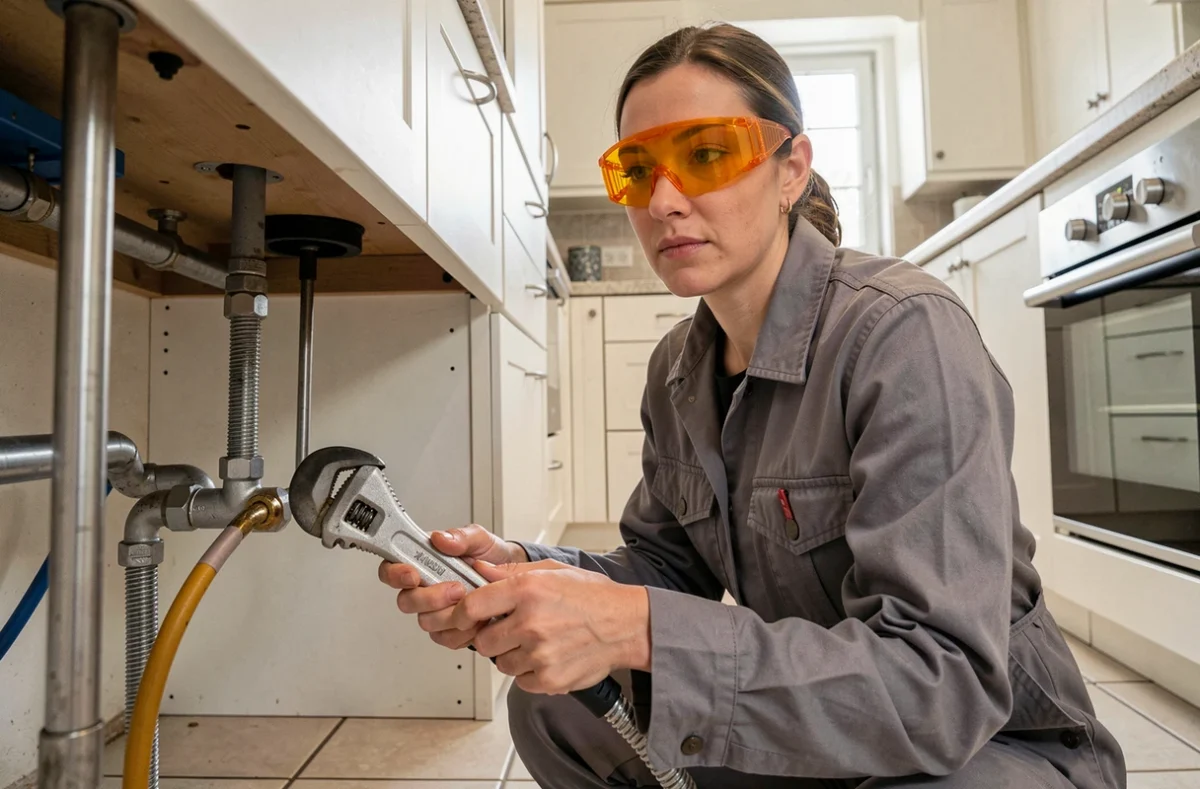
Specifically, GRDF is responsible for running the pipe from the public network to the box installed at the property line, and then for installing the gas meter. The supplier intervenes later, only to activate the contract and schedule the commissioning.
This distinction has a practical consequence: the connection request is submitted to GRDF (or the local manager in certain municipalities), but you can freely choose your energy supplier for the contract. Since July 1, 2023, the regulated gas sales tariff no longer exists for individuals. The choice therefore falls on a market offer. The Energy Regulatory Commission publishes a monthly benchmark gas price to facilitate comparisons between suppliers.
Concrete process of gas connection work
Once the request is submitted online on the GRDF website, the manager sends a quote detailing the planned route and amount. It is at this stage that we discover if the terrain configuration complicates things (crossing the roadway, significant distance, rocky soil).
After accepting the quote and payment, the work proceeds in several phases:
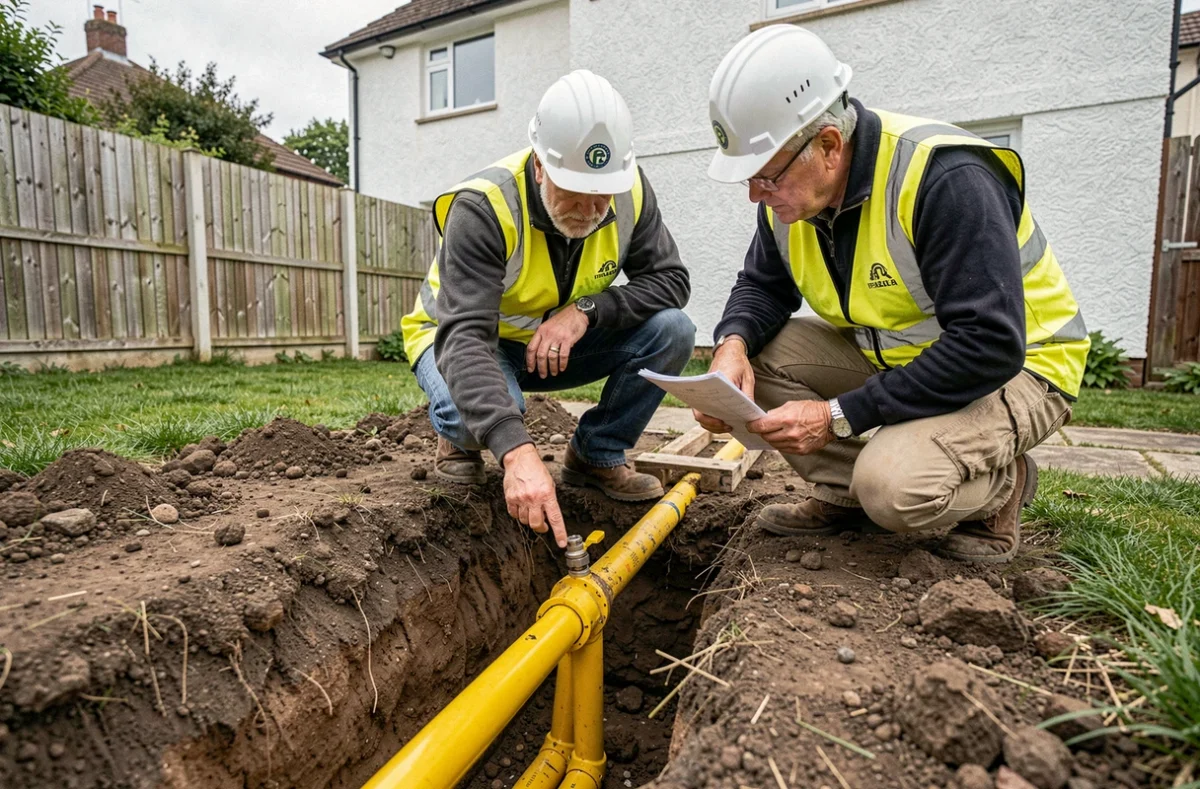
- The excavation and laying of the pipe between the public network and the property line, carried out by GRDF or a mandated contractor.
- The installation of the gas box at the property line and the installation of the meter, which will allow for measuring consumption.
- The internal connection between the meter and the home’s equipment (boiler, cooking plate), carried out by a certified installer chosen by the owner.
The internal installation is not the responsibility of GRDF. A qualified PGN (Natural Gas Professional) is called upon for the piping, connecting the appliances, and checking for leaks. This step is crucial for obtaining the certificate of compliance.
Gas compliance certificate: a mandatory step before commissioning
The installer issues a compliance certificate once the internal work is completed. This document certifies that the installation meets current safety standards. Without this certificate, GRDF will not proceed with the commissioning of the meter.
The certificate is registered with an approved organization (Qualigaz, Dekra, or Copraudit depending on the case). Feedback varies on registration times, but you can expect a few business days on average.
Cost of gas connection and variables that affect the price
The price of a connection depends on very concrete parameters. GRDF offers a regularly updated catalog of services, with amounts that vary according to:
- The distance between the public pipeline and the box at the property line.
- The nature of the terrain to be crossed (earth, asphalt, sidewalk) and whether or not it is necessary to cross a municipal road.
- The type of connection (individual for a house, collective for an apartment building).
In addition, there is the cost of the internal installation, which is a separate quote established by the private installer. And after commissioning, the gas bill includes a portion related to the transport tariffs set by the CRE, which evolve according to a regulated schedule (with an adjustment on July 1 for distribution). This item is often overlooked when calculating the overall budget.
Gas connection and biomethane: what it changes for the network
The distribution network now accommodates an increasing share of biomethane, produced locally from organic waste and injected into existing pipelines. For an individual connecting, this does not change the technical procedure: the gas delivered to the meter remains a mixture circulating in the same network.
The interest is mainly prospective. The gas connection provides access to a network in energy transition, not just to fossil gas. Some suppliers already offer contracts that include a share of biomethane, which can influence the choice of contract after commissioning.
The natural gas connection remains a structured process where each participant has a specific scope. The key to avoiding unpleasant surprises: check the eligibility of the land first, anticipate the compliance certificate, and compare supply offers based on the benchmark price published by the CRE.