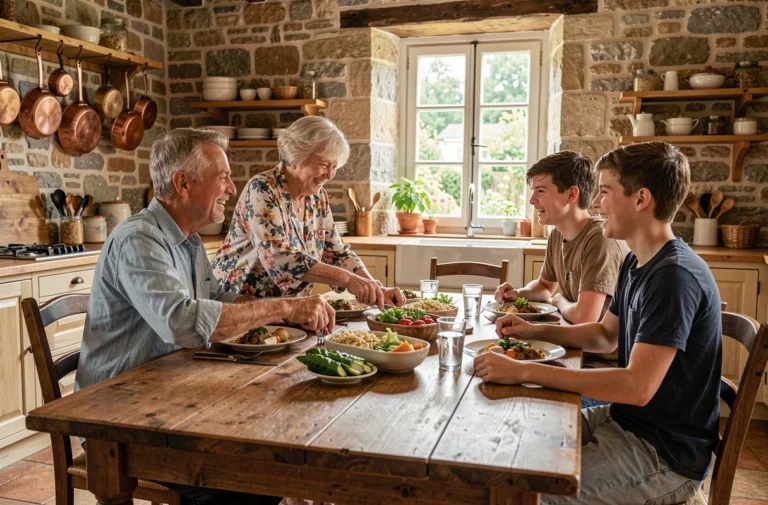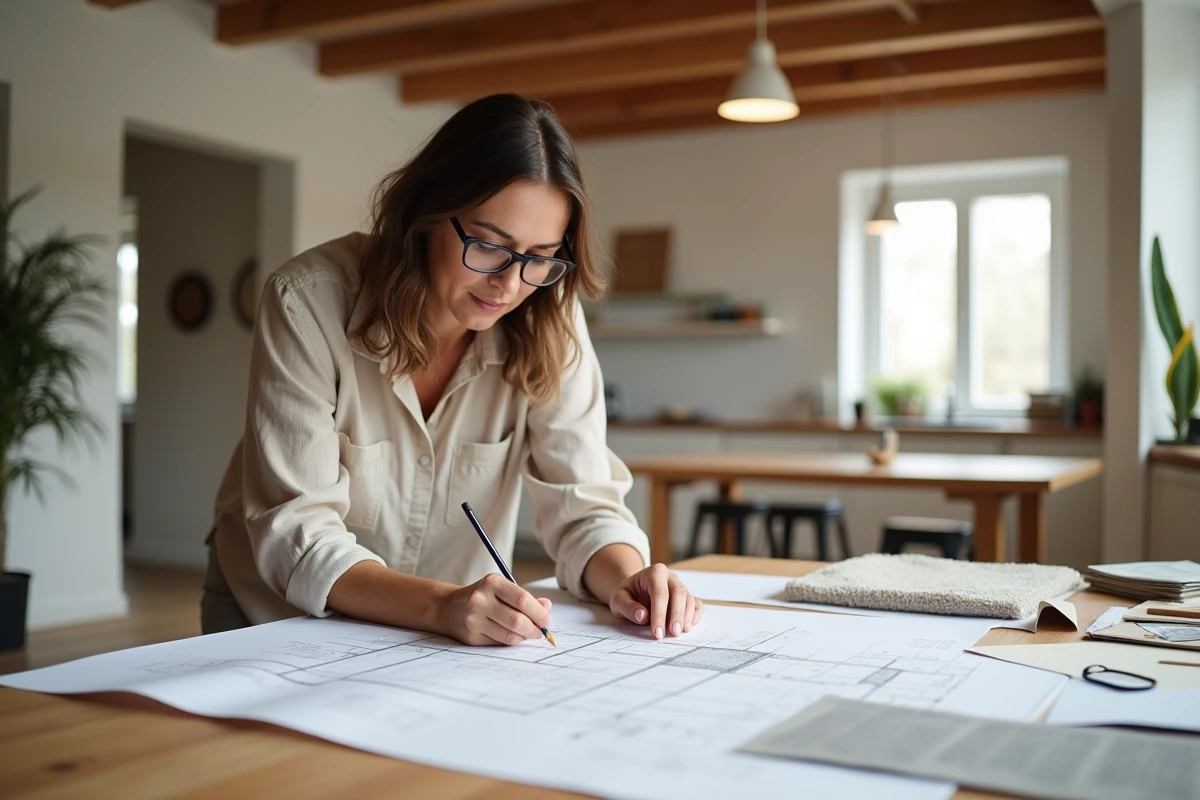
Designing a home that reflects you doesn’t start with choosing tiles or a facade color. It all begins much earlier, at the moment you decide how you want to live day-to-day. A poorly thought-out plan can cost you for years, while a well-framed project from the start transforms every room into a useful space.
Adaptable Home: A Plan That Anticipates Your Future Needs
Have you noticed that most construction guides focus on the housing as it will be delivered? The problem is that families change. A child arrives, an elderly parent moves in, remote work becomes part of the routine.
The trend towards adaptable homes addresses this gap. The principle: design movable partitions, technical reservations (ducts, drains), and slabs sized to support an upper floor or a side extension without having to redo the foundations right from the sketch.
In practical terms, this means planning for a ground-floor bedroom that can be converted into an office, or an attached garage whose structure allows for a transformation into a master suite. The additional cost at construction remains modest compared to the price of an unanticipated extension. If you’re looking for examples of adaptable plans, browsing the references of houses on Ma Maison Idéale provides a good overview of configurations that incorporate this logic.
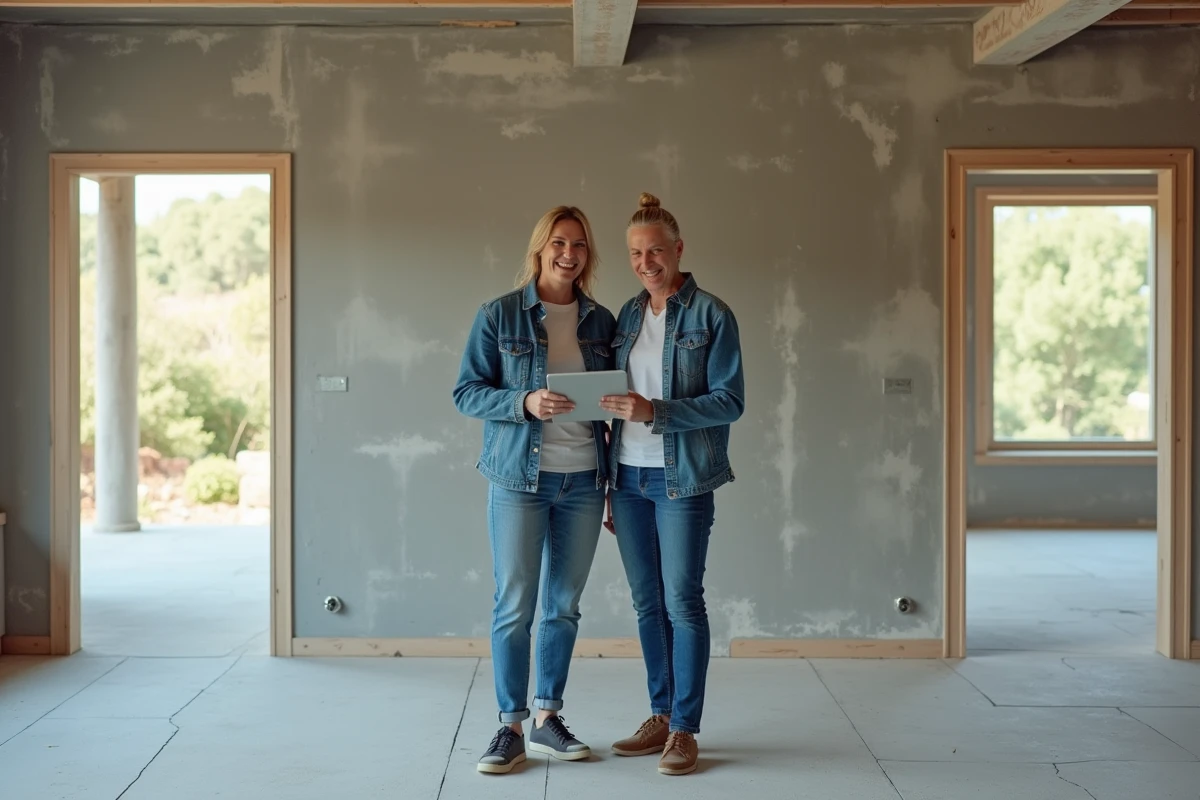
RE2020 and Bio-based Materials: What the Regulation Changes in Design
Since January 1, 2022, the environmental regulation RE2020 requires new homes in France to undergo a life cycle analysis and meet carbon footprint thresholds regarding structure and materials. Adjustments were published in the Official Journal in 2024 to refine these thresholds.
Why does this matter for your dream home project? Because the choice of materials is no longer just aesthetic; it is regulatory. Wood framing, insulation made from wood fiber or cellulose wadding are strongly encouraged. Conversely, large poorly oriented glass surfaces penalize the project’s carbon balance.
Bio-based Doesn’t Mean Rustic
A common misunderstanding associates bio-based materials with a chalet style. In reality, wood framing pairs very well with modern design, clean lines, and large interior volumes. Wood also offers a structural advantage: it allows for long spans without intermediate load-bearing walls, freeing up living space.
Meanwhile, several regions (Brittany, Hauts-de-France, Occitanie) have conditioned certain financial aids, such as preferential loans, since 2023-2024 on the fact that the house exceeds RE2020 requirements or integrates energy-saving equipment. Rainwater recovery, double-flow ventilation: these systems reduce the overall budget when planned from the sketch.
Interior Layout: Organizing Each Room Around Light and Use
A successful house plan is not measured in total square meters. It is measured by the appropriateness of each space in relation to its actual use. An overly large bedroom becomes a disguised hallway. A poorly oriented living room forces you to turn on the lights in the middle of the afternoon.
Orienting Living Spaces to the South or Southwest
Placing the living room, kitchen, and dining room on the south or southwest side maximizes natural light during the day. Bedrooms, which are mainly used in the evening and at night, can occupy the north or east facade without losing comfort. This choice of orientation also has a direct impact on heating bills.
Three Criteria for a Coherent Interior Plan
- Short circulation between kitchen and entrance: you carry grocery bags several times a week, a direct route avoids crossing the entire ground floor
- Clear separation between day and night spaces: a hallway or half-level is enough to create an acoustic break that improves sleep quality
- Integrated storage from the plan: a closet under the stairs, a pantry adjacent to the kitchen, or a dressing room in each bedroom prevent the accumulation of furniture that shrinks the rooms
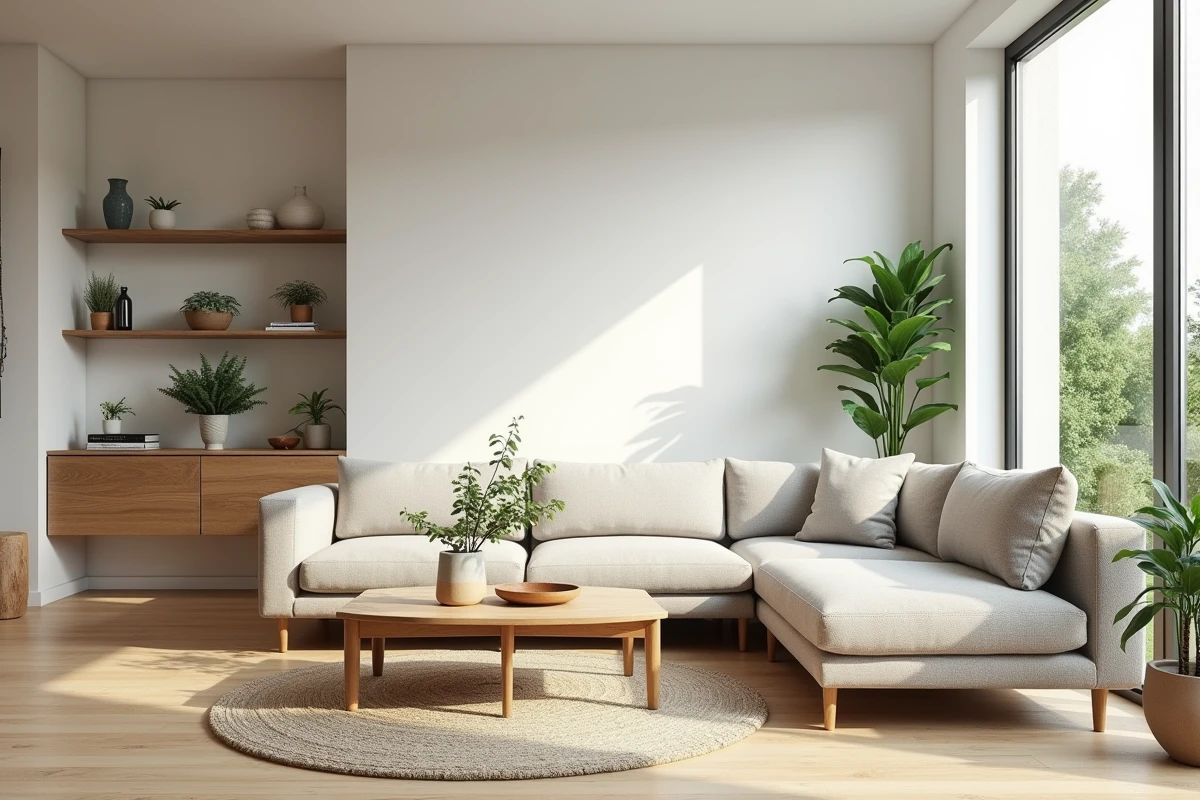
Architectural Style and Builder Choice: Maintaining Project Coherence
Modern flat-roofed house, contemporary style with mixed cladding, traditional construction with a sloped roof: architectural style should not be chosen on a Pinterest whim. It depends on your local urban planning regulations, the orientation of the land, and the available budget.
Before contacting a builder, gather your inspirations into a single document. Photos, sketches, screenshots: this visual file allows the professional to understand your project in minutes instead of starting from a blank page.
What a Good Builder Should Provide You Before Signing
- A detailed plan room by room, with measurements and layout on the land
- A complete descriptive notice listing each material, each piece of equipment, and each finish
- A provisional schedule with clear milestones (foundations, watertight, airtight, delivery)
- A RE2020 compliance certificate including the project’s life cycle analysis
A builder who refuses to detail these documents before signing the contract deserves to be dismissed. Transparency at this stage is the best indicator of the quality of project oversight.
Designing your dream home relies less on decorative inspiration than on structural decisions made very early on. An adaptable plan, materials compliant with RE2020 requirements, and an interior layout tailored to your actual uses form the foundation of a solid project. The rest, colors, finishes, garden layout, can be decided calmly once this technical base is secured.