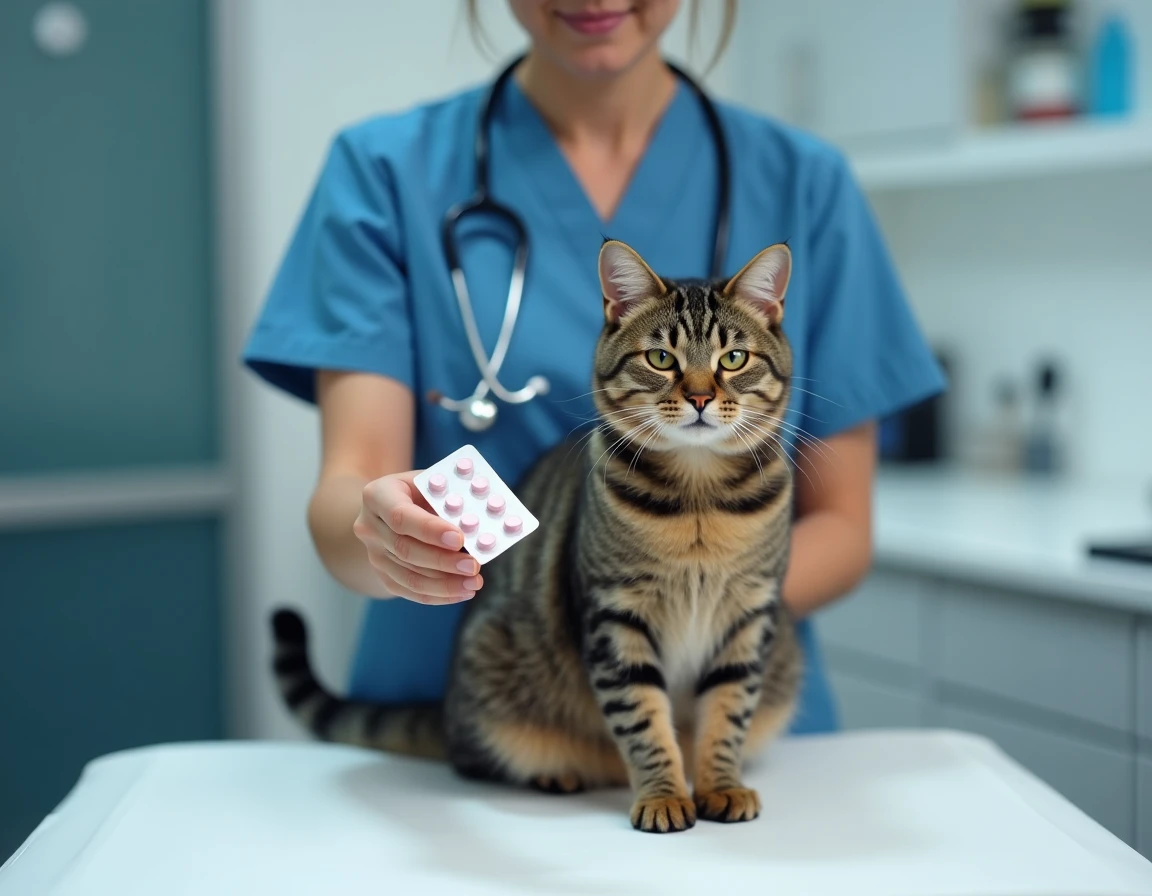
Clavaseptin for cats combines two active ingredients, amoxicillin and clavulanic acid, in a palatable tablet flavored with pork liver. This veterinary medication targets feline bacterial infections, but its prescription is now subject to stricter guidelines related to antibiotic resistance. What parameters concretely distinguish Clavaseptin from other feline antibiotics, and how do recent recommendations modify its use?
Composition of Clavaseptin: amoxicillin-clavulanic acid ratio and available dosages
Each Clavaseptin P 50 mg tablet contains 40 mg of amoxicillin and 10 mg of clavulanic acid, resulting in a 4:1 ratio. Clavulanic acid is not an antibiotic per se: it inhibits beta-lactamases, enzymes produced by certain bacteria to neutralize amoxicillin alone.
This fixed ratio means that the dose of clavulanic acid increases proportionally with the weight of the cat. The tablet can be split into two equal halves, allowing for adjustment for smaller cats.
| Tablet dosage | Amoxicillin | Clavulanic acid | Main use |
|---|---|---|---|
| Clavaseptin P 50 mg | 40 mg | 10 mg | Cats and small dogs |
| Clavaseptin P 250 mg | 200 mg | 50 mg | Medium dogs |
| Clavaseptin P 500 mg | 400 mg | 100 mg | Large dogs |
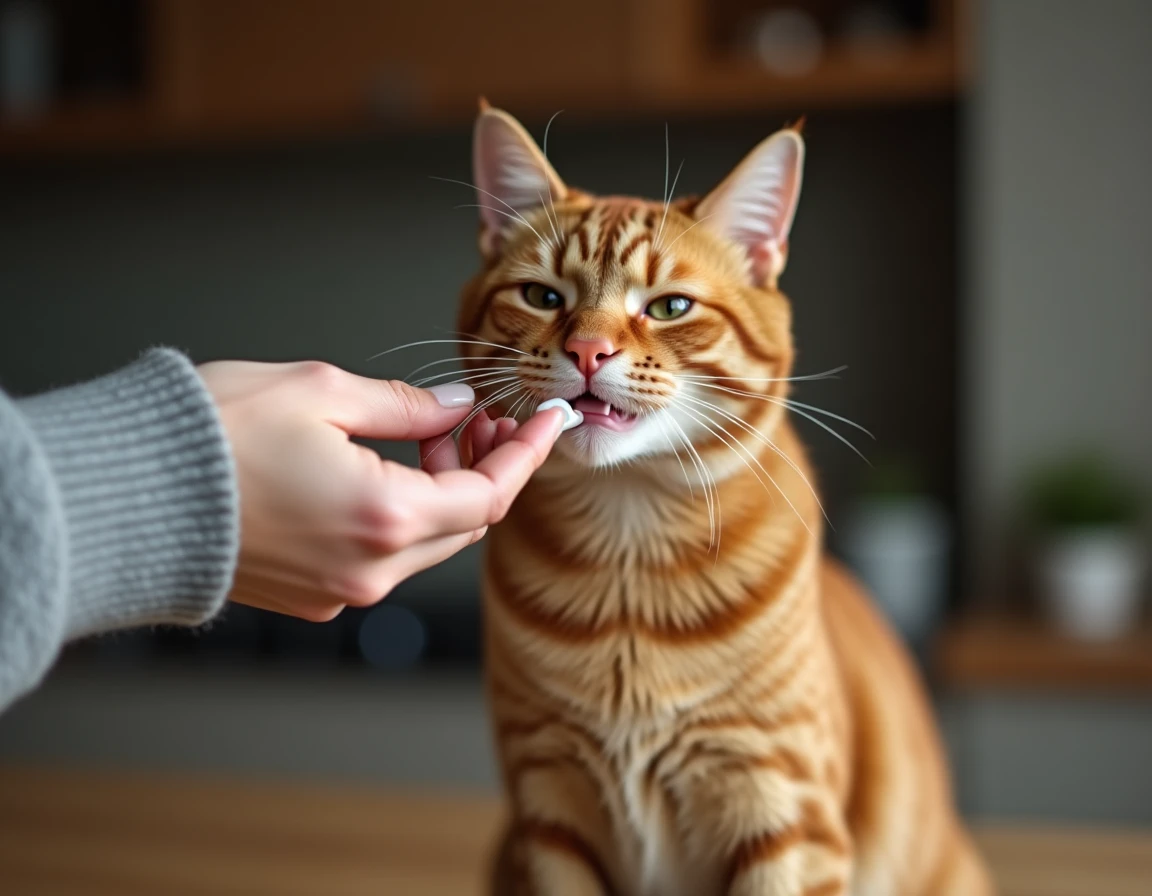
For cats, the 50 mg dosage remains the most common. Higher formulations are reserved for dogs, as the feline dosage is based on body weight and needs rarely exceed the 50 mg tablet, possibly multiplied according to the size of the animal. As Clavaseptin explained on Animal Time details, administration is done orally, twice a day.
Feline infections treated by Clavaseptin: official indications and targeted bacteria
The marketing authorization for Clavaseptin in cats covers a specific scope. The official indication concerns skin infections, including wounds and abscesses. The targeted bacteria are Pasteurella spp., Staphylococcus spp., Streptococcus spp., and Escherichia coli.
Subcutaneous abscesses are among the most common reasons for prescription in cats. They occur after bites during fights between peers, and the bacteria involved (Pasteurella, staphylococci) are precisely those against which the amoxicillin-clavulanic acid combination is effective.
On the other hand, Clavaseptin is not indicated for viral infections (coryza, typhus) or for mycoses. The antibiogram, when performed by the veterinarian, confirms the sensitivity of the bacterial strain and avoids inappropriate prescriptions.
Contraindications to check before any administration
- Known allergy to penicillins or cephalosporins: this contraindication is absolute and also concerns animals that have had a reaction during a previous treatment with amoxicillin
- Small herbivores (rabbits, hamsters, guinea pigs): Clavaseptin is strictly prohibited for them due to the risk of fatal disruption of their digestive flora
- Intravenous use: the product is strictly designed for oral administration, any other route of administration is prohibited
Treatment duration and antibiotic resistance: what the new recommendations change
Historical product characteristics summaries (RCP) recommend relatively long courses. Common veterinary practice relied on reference treatments that could last up to ten days for feline skin infections.
Since 2022-2023, expert groups in feline medicine, including ISCAID and veterinary antibiotic governance committees in Europe, recommend reducing the duration of amoxicillin-clavulanic acid courses in cats. The preferred approach is summarized by the phrase “as short as possible, as long as necessary.”
This evolution addresses a public health issue. National plans to combat antibiotic resistance, strengthened since 2020, directly impact the frequency and duration of prescriptions in veterinary clinics. A shortened treatment, tailored to the cat’s clinical response, limits the selection pressure on resistant bacteria.
Specifically, the veterinarian may decide to stop the treatment before the maximum duration specified by the RCP if clinical signs have disappeared. Self-discontinuing the treatment without veterinary advice is still discouraged, as stopping too early promotes the selection of partially resistant bacteria.
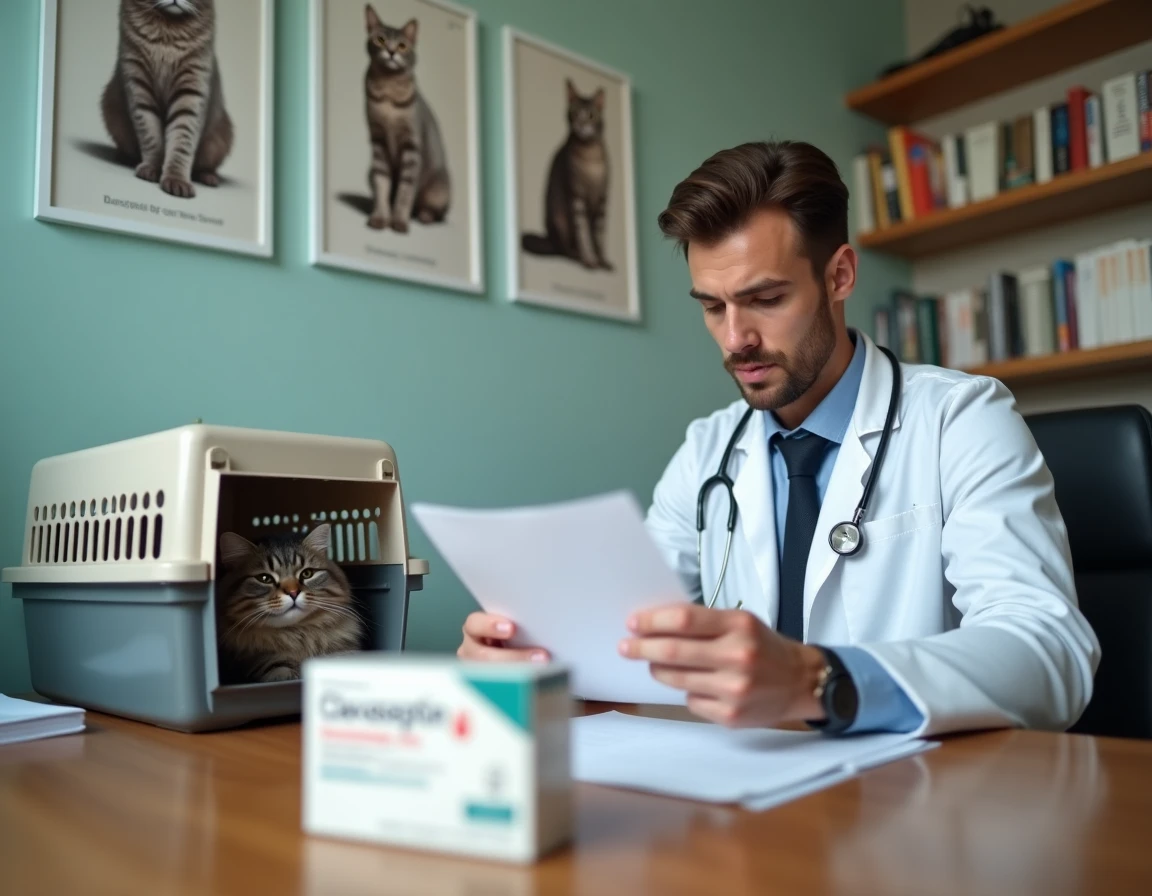
Side effects of Clavaseptin in cats: digestive disorders and signals to monitor
The most documented side effects are gastrointestinal: vomiting, diarrhea, and transient loss of appetite. These reactions occur mainly at the beginning of treatment and often diminish after a few days.
Feedback from practitioners in feline medicine also reports a tendency for weight gain and increased appetite in some cats treated repeatedly. This phenomenon, not mentioned in the classic RCPs, leads some veterinarians to recommend monitoring weight and adding probiotics during and after the treatment.
Allergic reactions: warning signs
An allergic reaction to penicillins manifests as facial swelling, breathing difficulties, or a sudden skin rash. These signs require immediate cessation of treatment and urgent veterinary consultation.
The Clavaseptin tablet contains excipients (iron oxide, pork liver flavor, dehydrated yeast) that, in rare cases, may cause intolerance distinct from an allergy to the active ingredients. Reporting any behavioral changes or unusual symptoms to the veterinarian allows for quick adjustment of the protocol.
The prescription of Clavaseptin in cats is increasingly framed by antibiotic governance policies. The choice of this antibiotic, its dosage adapted to body weight, and the duration of the treatment depend on an individual veterinary assessment. A prior antibiogram remains the best tool to confirm that the bacterial strain in question truly justifies the use of this amoxicillin-clavulanic acid combination.