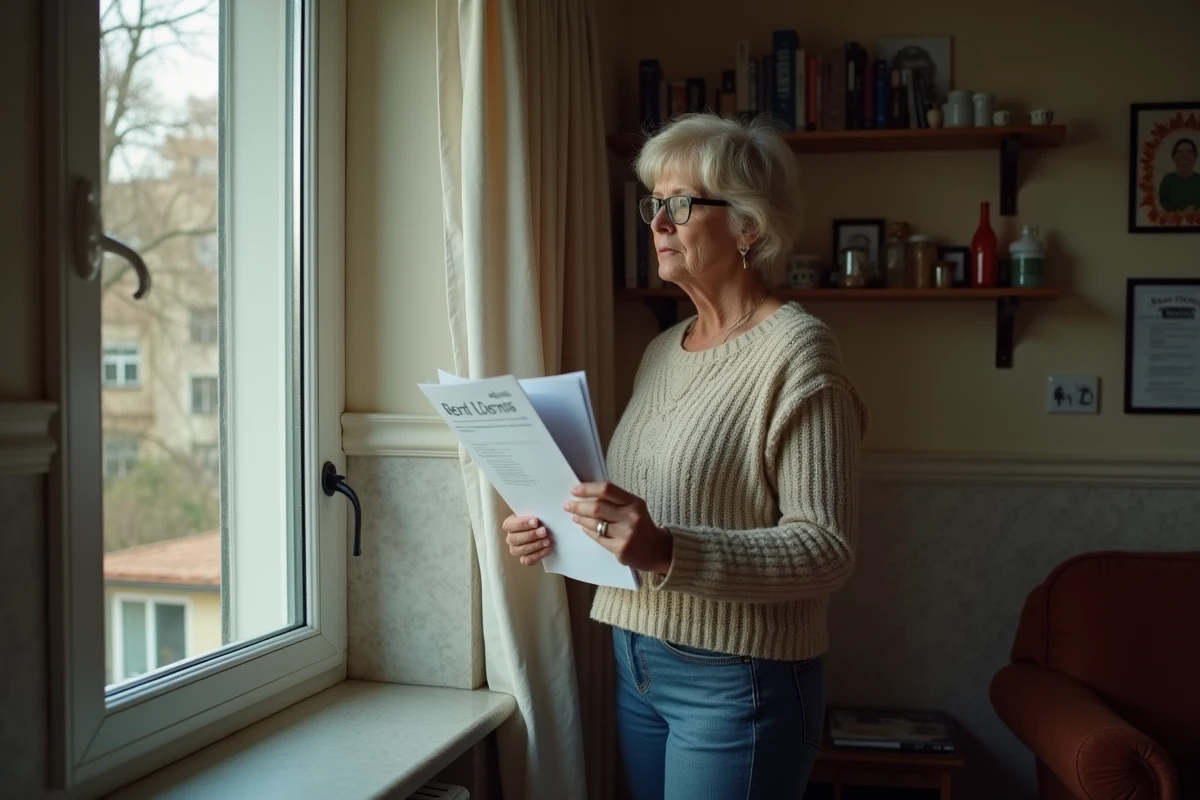
A figure, a line, a switch: in January 2024, French law imposed an automatic recalibration of the HLM rent surcharge, calculated based on the income declared the previous year. Now, some households in social housing are seeing their bills rise sharply, with no room for discussion or arrangement.
For the year 2026, the legislator is preparing to tighten the screws on all fronts: the method for calculating the rent surcharge is changing, as are the rules regarding unpaid rents. HLM landlords, already on the ground, are organizing to integrate these new texts while tenants will have to comply with strengthened transparency requirements regarding their resources and meet strict deadlines to provide the required documentation.
HLM Rent Surcharge: What the Latest Reforms Change for 2026
The reform of the HLM rent surcharge establishes clear boundaries for a situation that has long been unclear: how to adjust the amount of rent when a household’s income exceeds the threshold for one person? Starting in 2026, the solidarity rent supplement (SLS) will be calculated exclusively based on the resources listed on the tax notice from year N-2, in accordance with what is stipulated in the construction and housing code. Landlords will need to justify, point by point, any increase or modification, according to a scale defined by the Elan law and its implementing texts.
For tenants in social housing, the annual verification of resources becomes a mandatory step. In the event of missing documents or late submissions, the penalty applies: the maximum surcharge is enforced without notice. According to the draft law, regularizations will be expedited, with shortened processing times. HLM organizations will need to notify in writing each new amount, following a reinforced, detailed, and enforceable procedure.
Discussions around excessive rent surcharges in HLM according to Immobserver highlight the tensions generated by these practices. The rent control system is being strengthened to prevent abuses and preserve access to social housing for the affected populations. Behind these reform lines, the balance remains to be found between the protection of the tenant and the framework imposed on the landlord. These changes also re-examine the allocation of moderate rent housing and the modalities for recourse, in a context of constant pressure on social housing.
Unpaid Rents and Excessive Rent Surcharges: What Rights Do Tenants in Social Housing Have?
The increase of an excessive rent surcharge or the specter of unpaid rents does not leave tenants in social housing without recourse. The lease agreement signed with an HLM landlord does not allow for everything: the construction code sets strict rules regarding the amount and its revision. If the calculation or increase is based on an error related to the tax notice or the threshold for one person, the tenant has the right to demand accountability.
Disputing the rent surcharge involves a written request to the landlord, accompanied by proof of resources. The landlord must respond within a timeframe set by regulations. If the landlord remains silent or maintains an excessive rent surcharge, the tenant can take the matter to the protection litigation judge. This judge, competent in lease termination and rental disputes, can suspend the procedure or impose a return to a compliant rent.
The implementation of civil solidarity, particularly in the case of a civil solidarity pact, implies that all cohabitants are jointly liable for rent debts. However, regulations also provide the possibility to request payment deadlines to avoid eviction. The system keeps the protection of tenant rights at the center while ensuring the management of social housing.

What Recourse in Case of an Excessive Rent Surcharge or Payment Difficulties?
When an excessive rent surcharge strikes or a rent amount seems unjustified, there are several avenues for HLM tenants to explore. The texts of the construction and housing code outline a clear path. The first reaction: request a calculation verification from the social landlord, attaching proof of tax notices and household composition. This step may allow for the correction of a misapplied threshold for one person or an erroneous SLS.
If the door remains closed, another lever is activated: taking the matter to the protection litigation judge to assert one’s rights, verify the conformity of the rent amount, and, if applicable, obtain a refund for overpayment. This judge, accessible through a simple request, also rules on lease termination when there are unpaid rents or persistent disagreements.
To avoid getting bogged down in financial difficulties, it is possible to negotiate payment deadlines either amicably or before the judge. The goal: to protect the stability of the household, curb debt, and keep a door open to social housing.
Here are the main actions to consider if the situation requires:
- Verification of rights: request a review of the rent surcharge if its basis seems erroneous.
- Judicial action: bring the case before the competent jurisdiction in case of blockage.
- Negotiation: request a payment plan if payment becomes difficult.
The Elan law and its latest developments, applicable from 2026, strengthen the rent control in HLM while installing safeguards for those struggling to keep up. Landlords, for their part, will have to navigate these rules under the watchful eye of judges and the vigilance of tenants. It remains to be seen whether this new balance will hold as pressure on social housing continues to rise.