
Online fashion boutiques that focus on small batches and rapid collection renewals are profoundly changing the way customers shop. Lydie Tendances fits into this logic of frequent micro-drops, with clothing pieces and accessories designed to cover both everyday wear and dressed-up events. Understanding what distinguishes this type of selection allows for more sustainable choices.
Micro-drops and small batches: the renewal logic of an online fashion boutique
The classic model of seasonal collections (spring-summer, autumn-winter) is losing momentum in the independent boutique segment. We have observed a shift towards very frequent micro-collections, sometimes weekly, that allow testing a trend without committing to large volumes.
This approach has a direct advantage for the customer: the pieces are available in limited quantities, which reduces the risk of encountering the same dress at an event. It also imposes a constraint: one must regularly monitor new arrivals, or risk missing out on a model that will not be restocked.
On the Lydie Tendances online boutique, this mechanism translates into regular arrivals of women’s clothing and accessories, with a rapid turnover of references. For the most sought-after pieces, the purchasing window is short.
- Dresses and formal outfits often appear in batches of a few dozen pieces per size, which requires anticipating events (baptisms, weddings) several weeks in advance.
- Basics (jeans, tops, jackets) follow a slower renewal rhythm, as demand is more constant and proven cuts return from season to season.
- Accessories (bags, jewelry, scarves) are the first to be affected by the micro-drop logic, with pieces sometimes available for only a few days.
Modular and transformable accessories: a fashion trend to watch
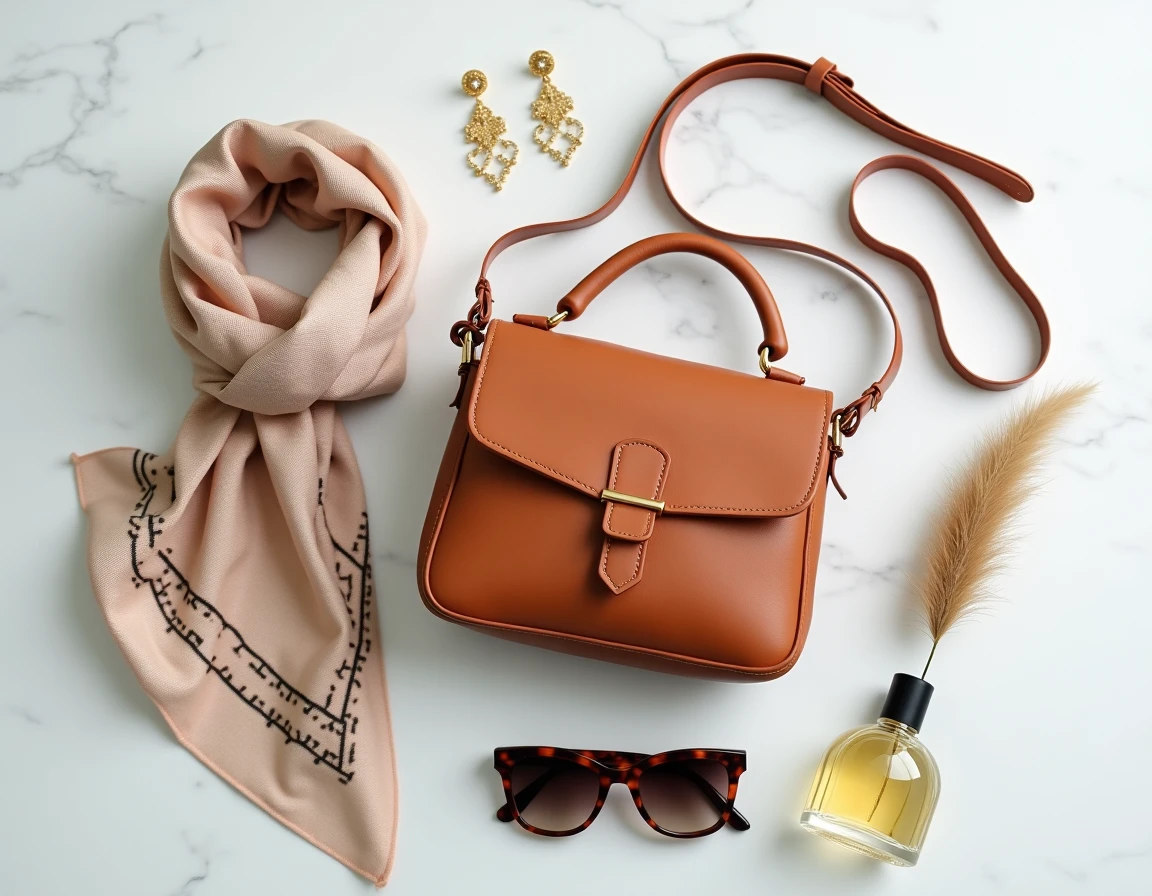
The modularity of accessories is an area that most French online boutiques have not yet fully exploited. We recommend paying close attention to it, as it meets a concrete need: buying fewer pieces while multiplying looks.
Specifically, these are bags with interchangeable straps, jewelry with clip-on or removable elements, and scarves that can be worn as belts or bag accessories. This type of product transforms a single purchase into multiple style possibilities.
For a boutique like Lydie Tendances, which targets both everyday wear and formal occasions, offering a bag with a short handle for the day and a gold chain for the evening covers two uses with one product. It’s not a gimmick: it’s a direct response to the documented demand for versatility among online fashion customers.
How to spot a truly modular accessory
Not all accessories marketed as “transformable” are so to the same degree. A reliable criterion: the attachment system must be standard and compatible across brands. Common diameter metal clips and rings allow mixing handles purchased separately with bags from different brands.
Modular jewelry, on the other hand, often relies on proprietary systems (magnetic clips, specific screws). Before purchasing, checking if removable elements are sold individually and if the attachment system is robust is enough to avoid disappointments.
Online formal wear: the criteria that classic guides overlook
Mainstream articles on wedding or baptism outfits focus on color and cut. Two technical parameters matter more for a successful online purchase.
The first is the fabric composition and its behavior in photos. A satin polyester may look elegant in the studio but reflect an artificial shine under flash. Matte or slightly textured materials (crepe, blended linen) perform better in natural light as well as indoors. On a product page, the textile composition provides a direct clue.
The second parameter is the real size tolerance. Standardized size guides (S, M, L) vary from brand to brand. Independent boutiques that add precise measurements (bust size, back length, shoulder width) and size advice by model significantly reduce the return rate. Lydie Tendances provides this type of detail on its product pages, making remote ordering easier, especially for structured dresses or fitted pieces.
Secure payment and delivery: what influences fashion purchase decisions
On a clothing website, payment and delivery conditions are not a logistical detail. They are an integral part of the shopping experience and directly influence the conversion rate.
Secure payment has become a prerequisite, but the option to split the payment into installments makes a real difference for baskets above a certain amount, typically for a complete formal outfit (dress, jacket, accessories).
The return policy weighs as much as the price in the decision. An easy return within fourteen days reassures about size and material, two parameters impossible to verify on screen. Boutiques that clearly specify return conditions right on the product page (and not in a buried FAQ) register fewer hesitations at the time of payment.
Online fashion purchases rely on trust in the received product as much as in the proposed style. Independent boutiques that combine personalized advice, detailed product pages, and transparent delivery conditions hold a structural advantage over large chains, where customer support remains generic.